Learning the Cards
Start with the basics: ranks, suits and deck structure.
The first step is learning the cards. I mean the tarot structure and it’s meaning. A tarot deck is made up of 78 cards as follows:
- 22 major arcana
- 40 minor arcana or pips
- 16 court cards
I also want to note that this course is strictly non-religious, non-spiritual, non-psychological, etc etc. The cards are mundane in this course. There is no ne need to do anything special for this course.
Major Arcana
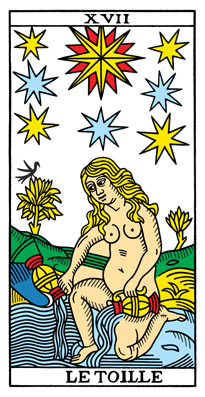
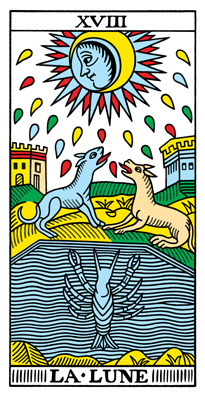
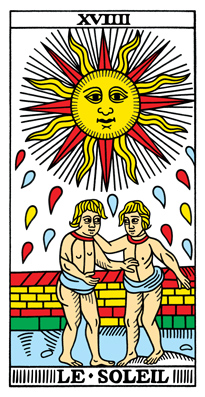
The major arcana contain scenes, characters and symbols. They are typically considered more significant in a reading. They allude to classic themes of life, love, work, death, money etc. They follow a story from I - XXI, a road traveled by the Fool. You can read these cards visually to start, use their titles as keywords, or use the basic keywords I have assigned to them on the Keyword List.
Once you are fairly comfortable reading the cards you can do a deep dive on the major arcana and the court cards if you want. And remember that the more you read (the cards), the more you will find meanings that resonate with you, in all of the cards.
Pips
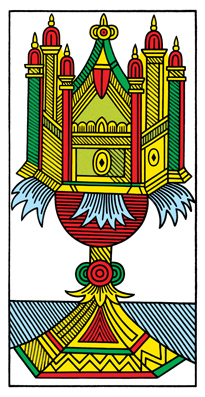
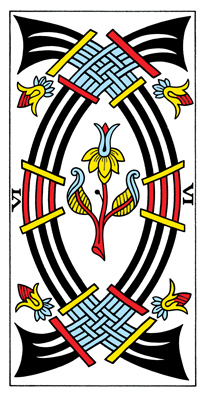
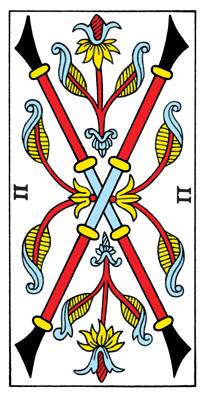
The pips are the number cards, ace through ten. These are the cards of daily life and the cycles of life. Pip cards are different from scenic minor arcana found in most tarot decks. Pip cards do not have scenes with people in them. They are like playing cards, where:
- hearts = cups
- clubs = batons
- spades = swords
- diamonds = coins
The keywords are assigned based on their rank, ace through ten. That is where we start, and we can expand from there until we are done.
Court Cards
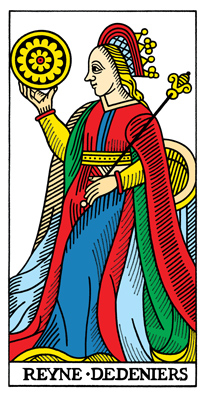
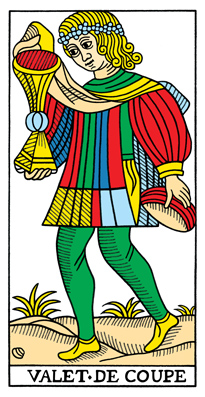
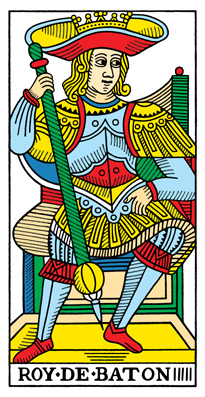
The court cards are valets, cavaliers, queens and kings. There is some extra nuance in the courts because each card has a person on it as the main focus. You can read them many different ways, but in this course they will be assigned a keyword based on their rank, eleven through fourteen.
The other characteristics of the cards will be used to expand the meanings as desired. One thing to look at when you draw a court card is what are they looking at? What are they doing? Just for fun.
Why Keywords?
The reason we are focusing on keywords, is that they are enough to get started. Once we start, then it is easier to continue. Reading as a beginner can be overwhelming and challenging. Using keywords is just a way to start, to move forward and get practice. You need something to work with, and the keyword is that. As you become familiar with the cards through practice, the meanings will grow and expand for you.
Once you have the core ideas memorized, you can begin to study the cards more in depth. Added Bonus: you can apply that basic knowledge to any deck you come across. Tarot or playing cards.